Country Lane
Doodles
Premium Goldendoodle & Bernedoodle Puppies in Utah
Now reserving Fall 2026 Bernedoodle puppies and available Poodle puppies. Happy, healthy, hypoallergenic puppies raised in our Erda, Utah home with health-tested parents and lifetime breeder support.
Bernedoodle puppies arriving Fall 2026
Our first Bernedoodle litter is planned for Fall 2026, with Goldendoodle litters following in Summer 2027 and purebred Poodle puppies available by request. Every puppy is raised with the same love, health testing, and home-based care our families have always trusted.
Learn more about Bernedoodles, Goldendoodles, or Poodles.
Apply to AdoptWhy Choose Country Lane Doodles?
At Country Lane Doodles in Erda, Utah, we're passionate about raising happy, healthy, and well-adjusted puppies right in our home. With veterinary experience guiding our program, proven early enrichment protocols, and a true family-centered approach, every puppy gets the best possible start.
Here's what sets us apart:
Health-Tested Parents
All breeding dogs undergo comprehensive genetic health testing so every puppy starts life with the healthiest foundation possible.
1 Year Health Guarantee
For your peace of mind, every puppy is backed by our one year health guarantee.
Early Enrichment (ENS, ESI & Sound Desensitization)
From days 3–16 we run Early Neurological Stimulation, Early Scent Introduction, and sound desensitization protocols to build confidence, resilience, and stress tolerance.
Puppy Socialization & Early Training
Comprehensive socialization with people, sounds, and everyday experiences, plus early crate and potty-training foundations before they come home.
Home Raised
Our puppies are raised in our home with daily love, handling, and family interaction from day one.
Go Home Bag
Includes scented blanket, toys, food, treats, Snuggle Puppy, health information, and 30 days of free Trupanion pet insurance when registered within 24 hours.
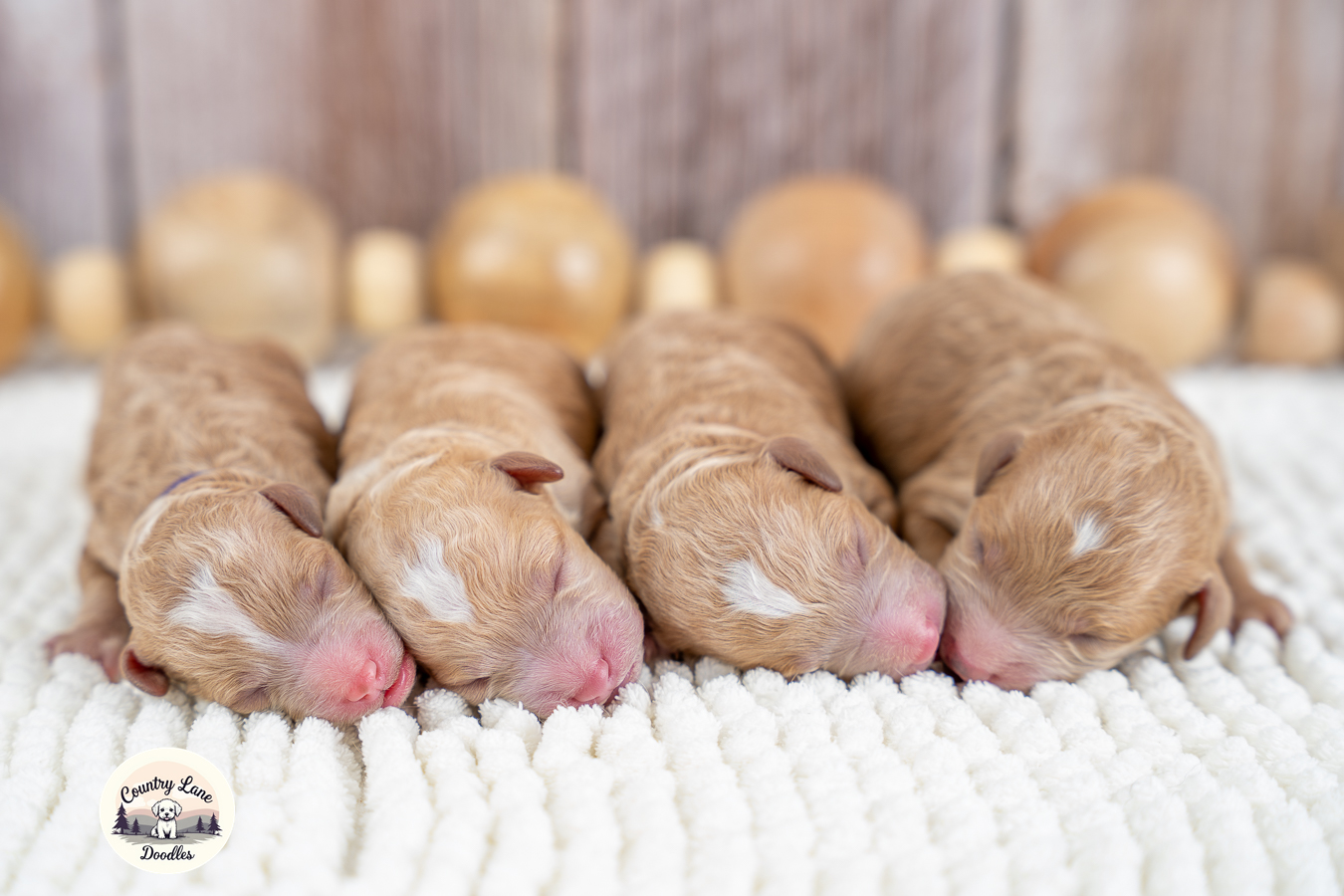
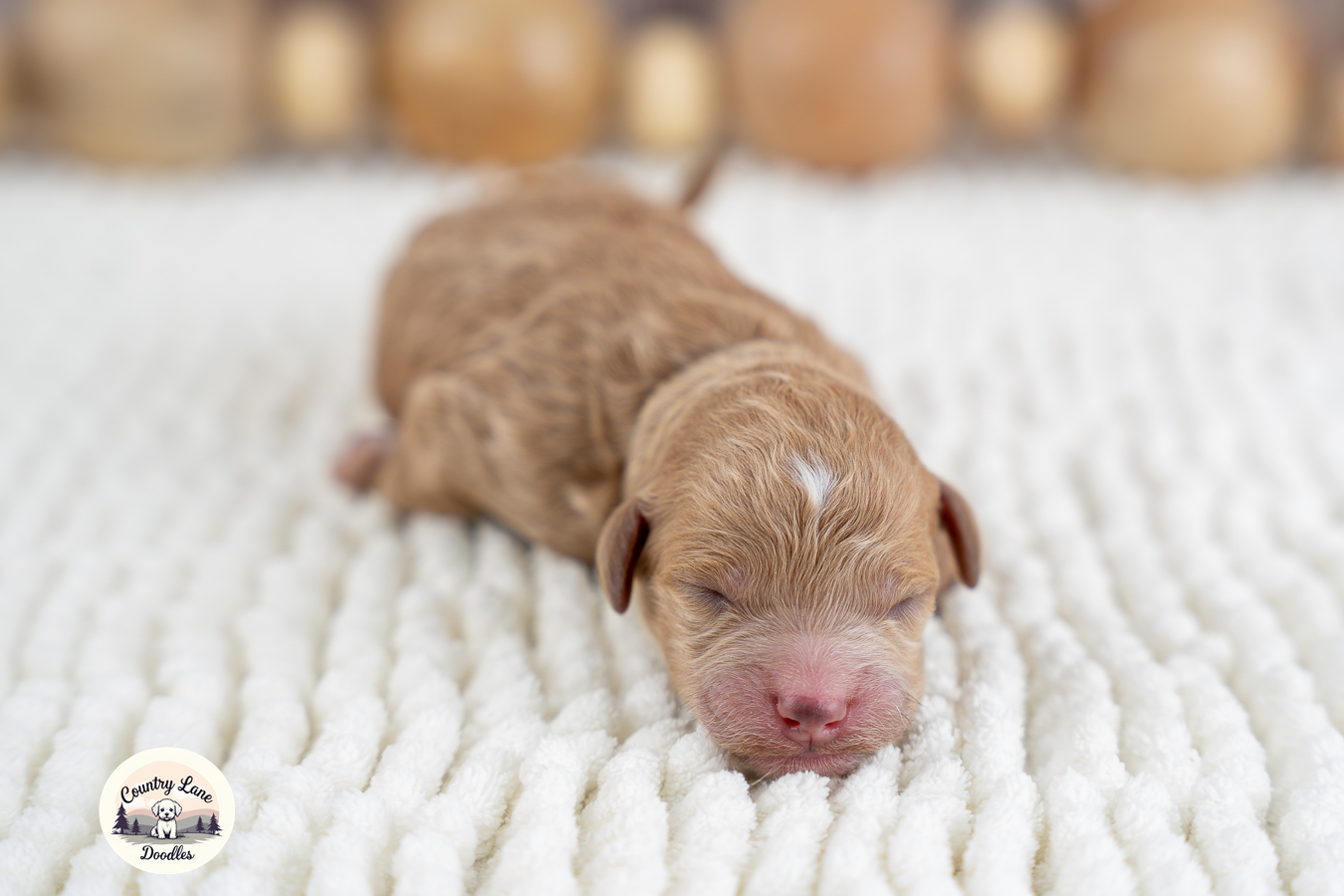
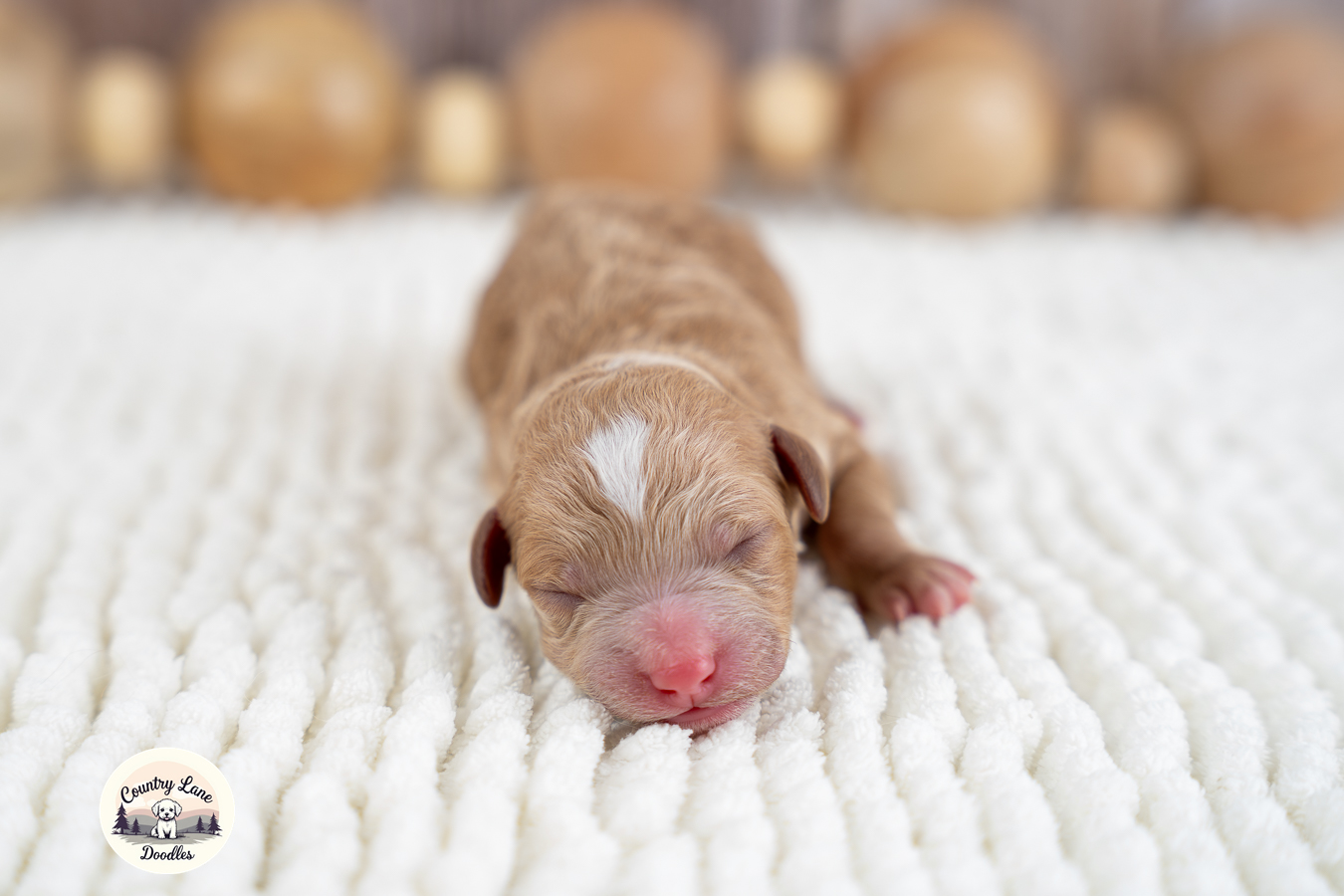
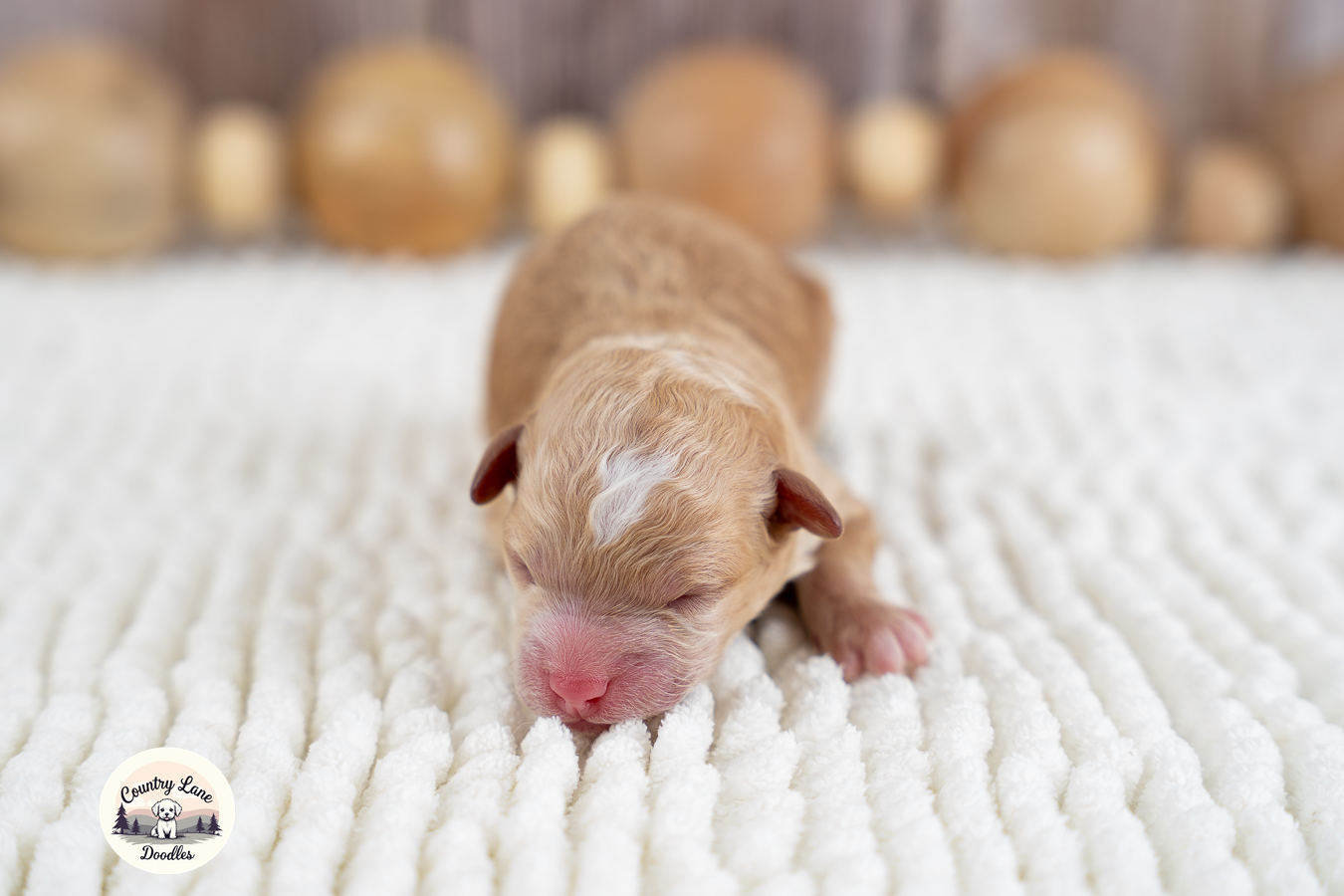
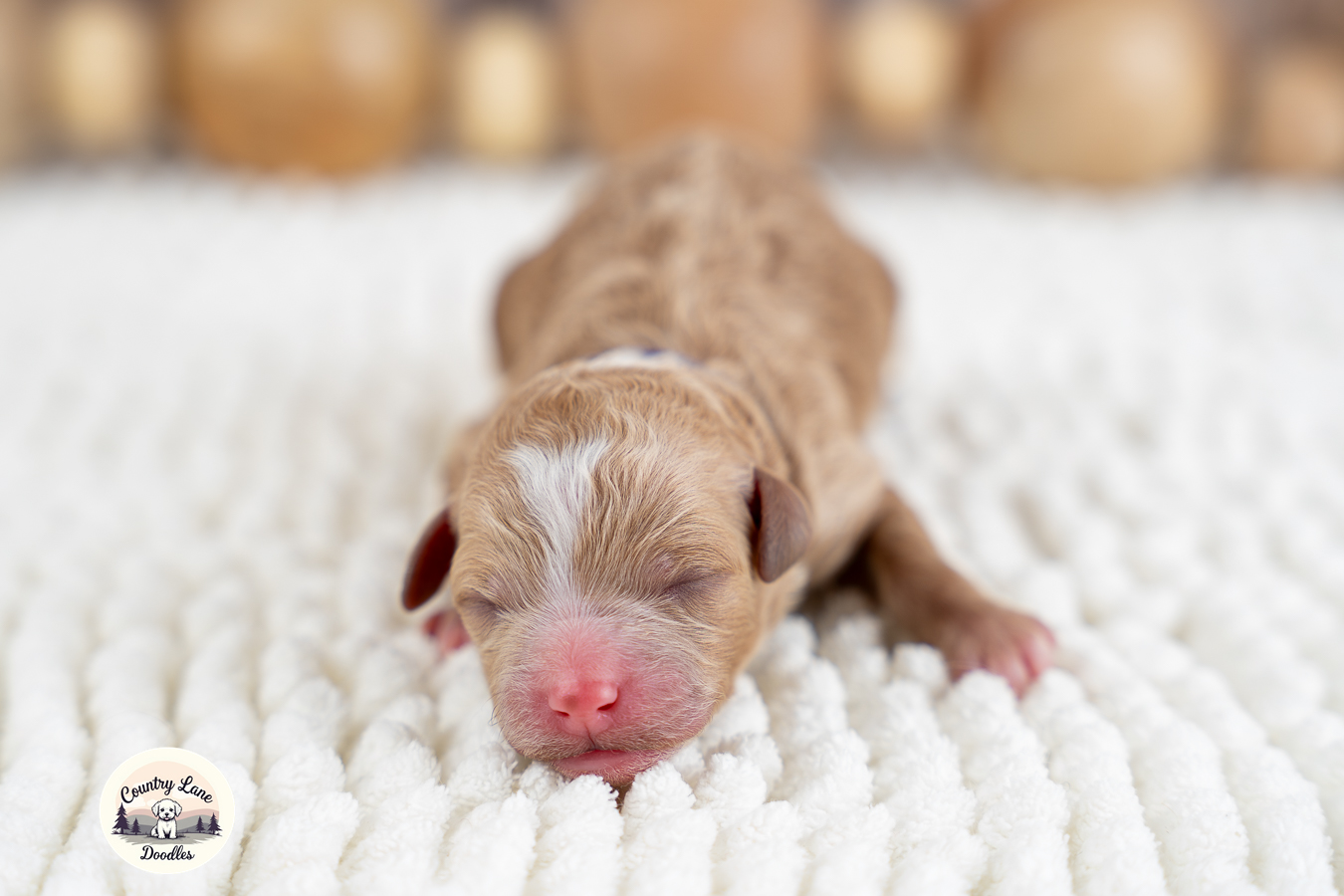
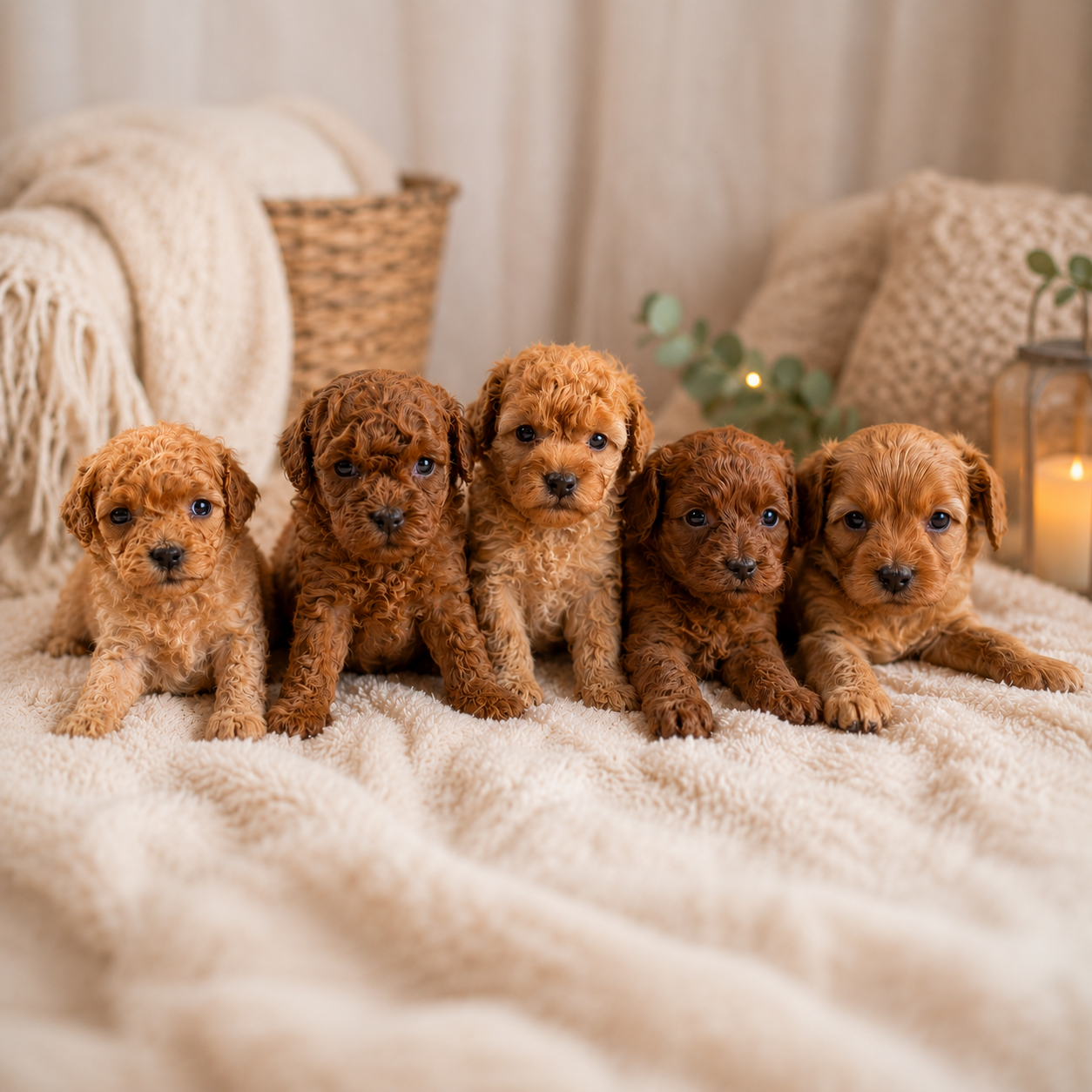
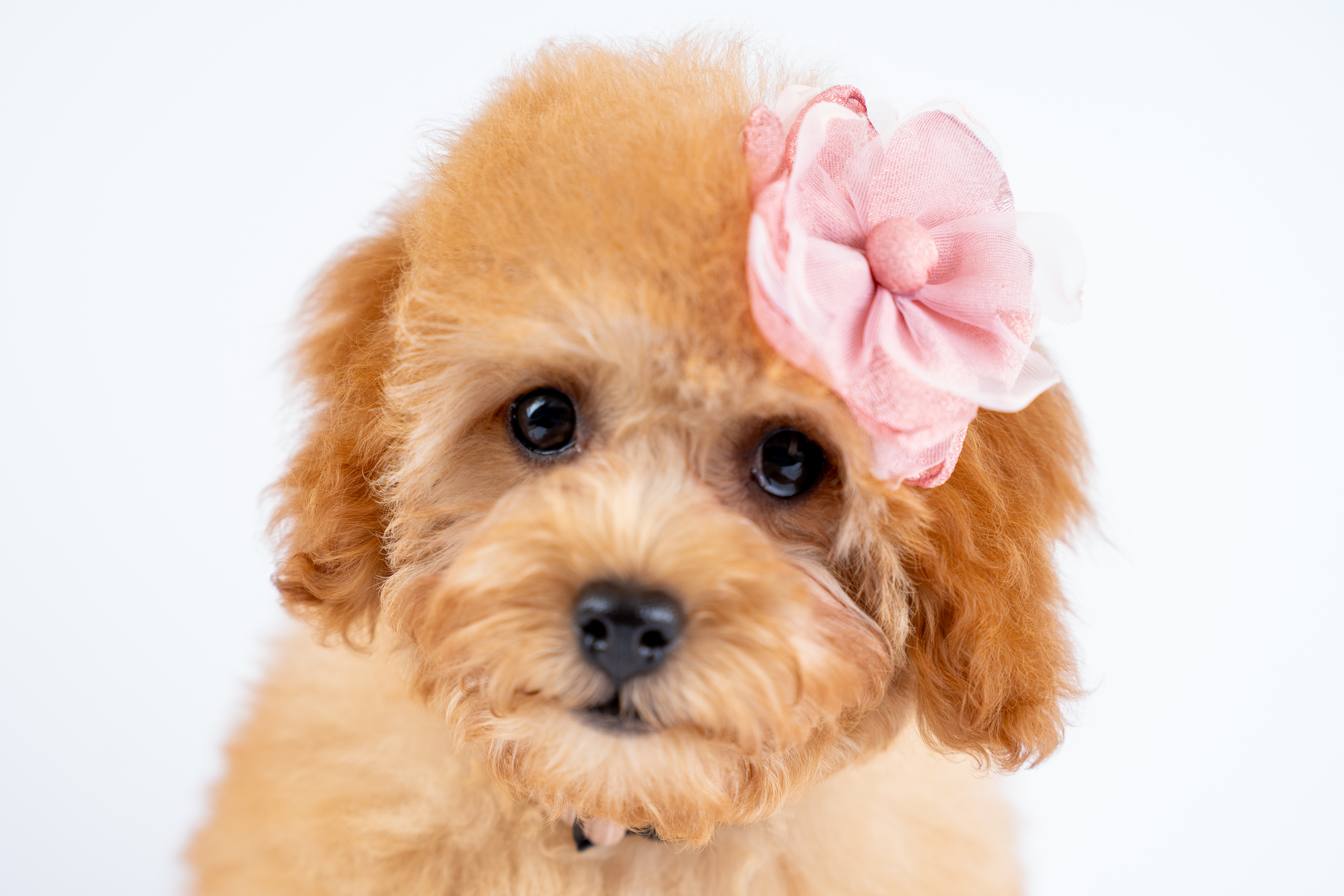
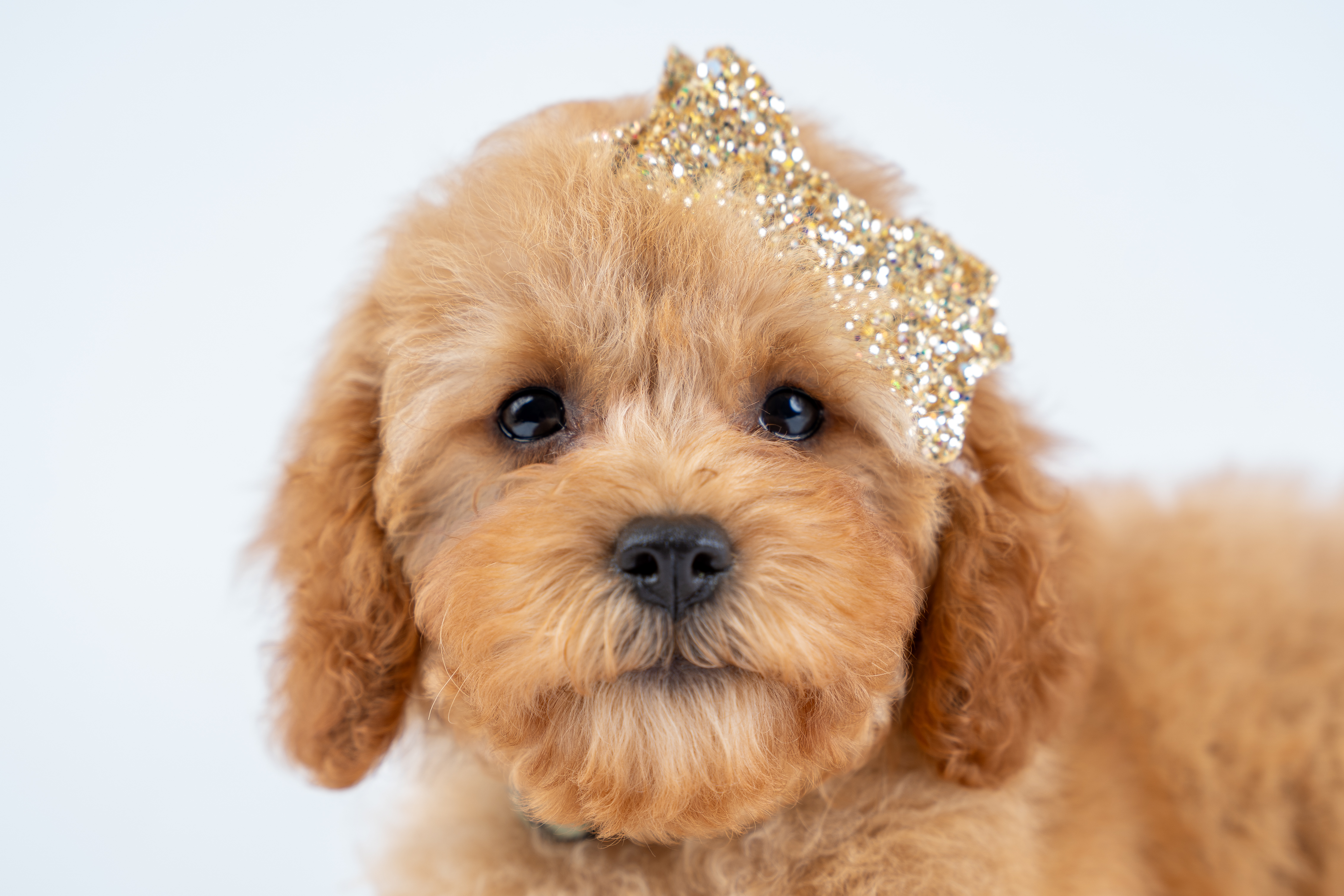
You're in luck — puppies ready for their forever home!
What Our Families Say
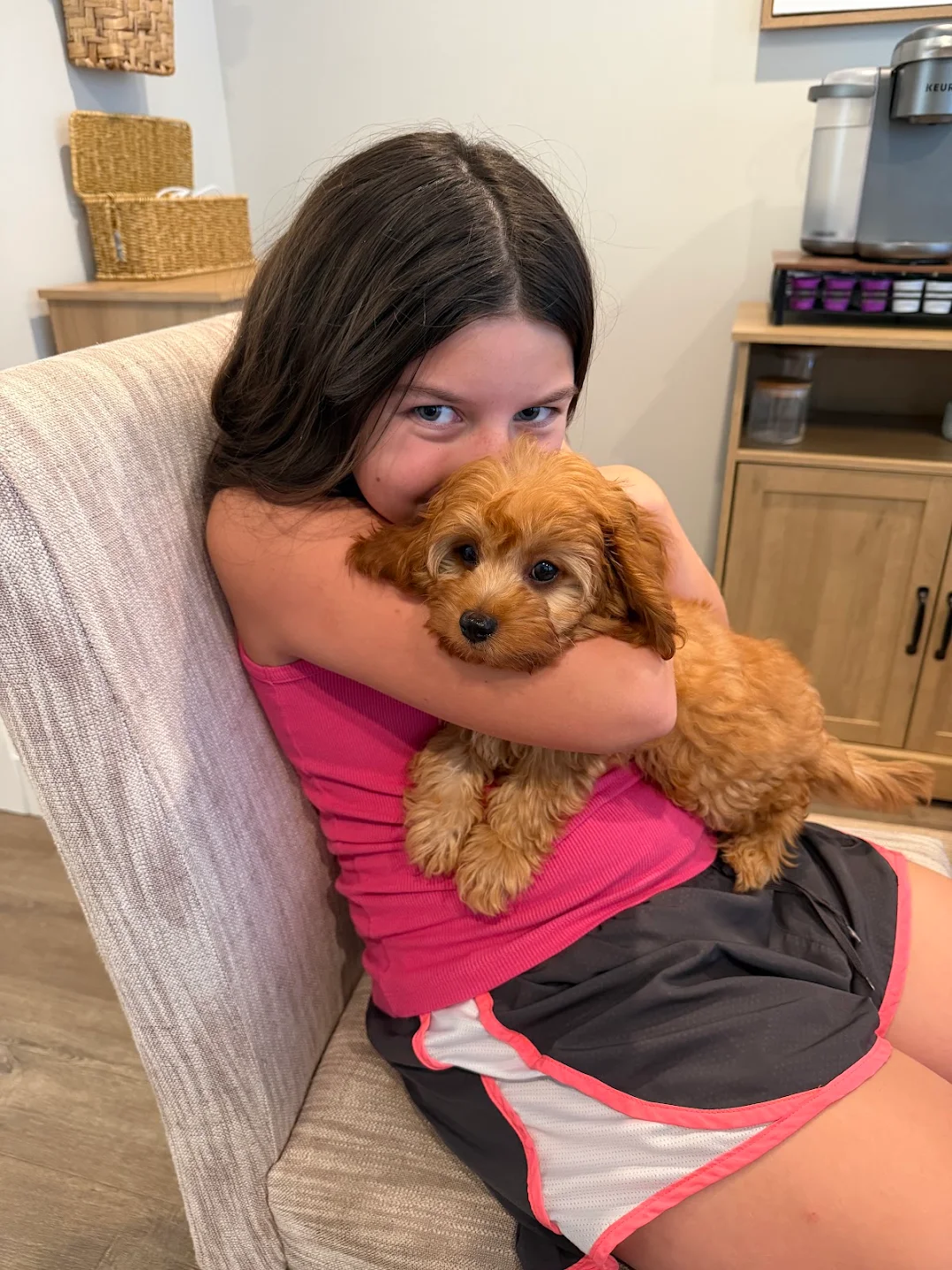
Our experience with Sara and Country Lane Doodles was simply the best! We got Boone, a Cavapoo, at 10 weeks and he already had such a great head start with training and socialization. He’s so well tempered, amazing with our kids and incredibly smart. We used a flight nanny since we live in a different state and the experience was seamless. Sara communicated every step of the way and was quick to respond to any questions we had. She provided a wonderful puppy starter kit that was an absolute life saver, as well as a great recommendation list of items to purchase. Since this was our first dog, it was incredibly helpful. We feel so blessed to have Boone in our lives and would highly recommend Country Lane Doodles!
— Rachel O. - Washington
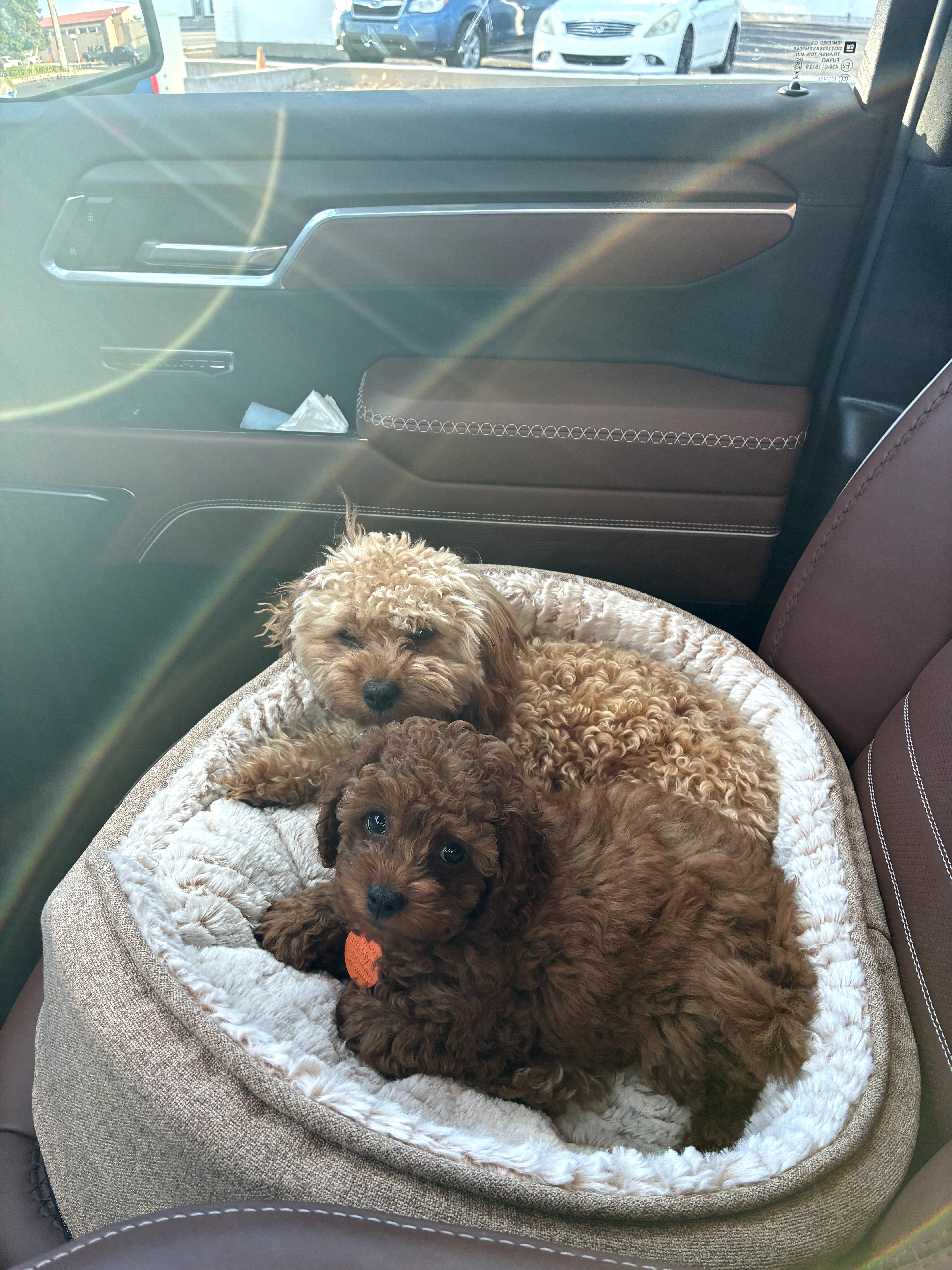
Daisey and Lady are great together. Lady tries to bully her, but Daisey can hold her own. Your breeder skills are two for two with me — I couldn't have been happier with the two dogs I got from you!
— Jon O. - Utah
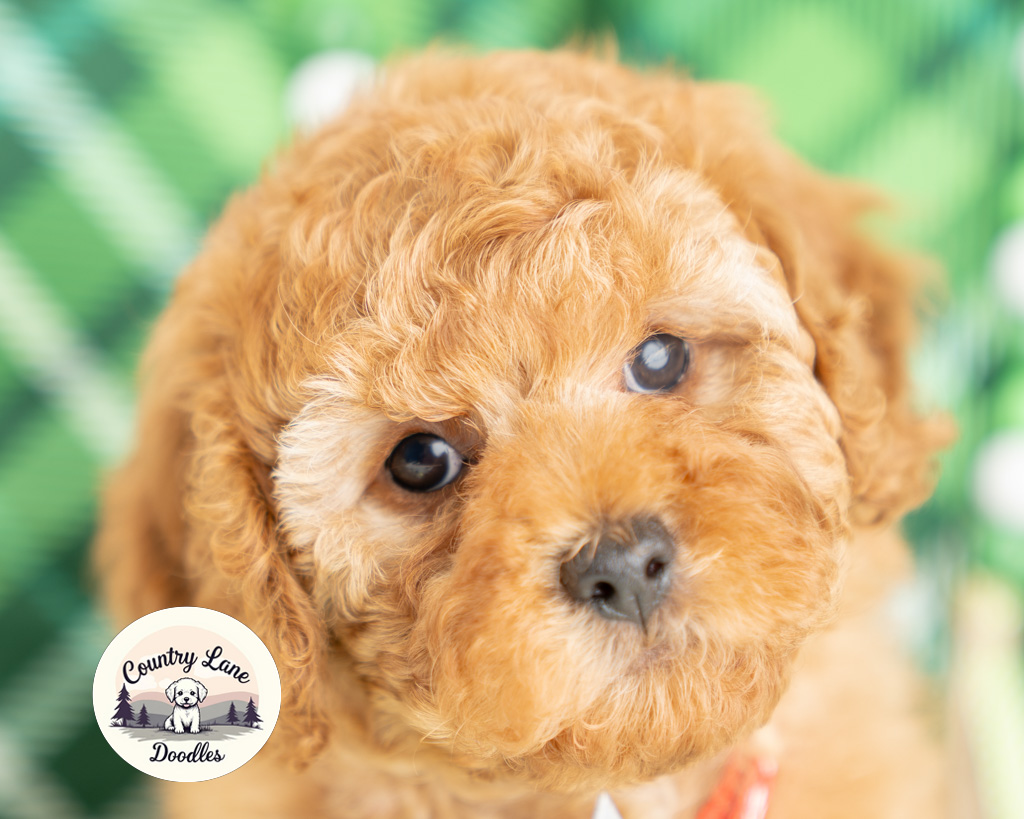
I can't thank the breeder enough for teaching our puppy - Finn (who is Muffin now) so much at such a young age. It truly shows her incredible dedication and determination to give her puppies the best start possible. It's clear he was well cared for from the beginning. He was a little shy at first, but he adjusted beautifully once he received all the attention, care, and love. He's already potty trained and sleeps on a consistent schedule. We now understand each other's body language perfectly. We feel so lucky to have him.
— Rakh C. - Illinois
Frequently asked questions
The quick answers families ask most. See our full FAQ page for more.
Meet Your Doodle Breeder
Hello, I'm Sara, the founder of Country Lane Doodles and a passionate ethical dog breeder. I'm dedicated to raising Premium Goldendoodle and Bernedoodle puppies that become cherished family companions.
Our health-tested parent dogs are at the heart of everything we do. Have questions? Check out our puppy FAQs.
Ready to Adopt Your Puppy?
Follow our simple 5-step process to bring home your new best friend.
We Review
We'll review your application and reach out to let you know if you're approved.
Place Deposit
Once approved, place your $500 non-refundable deposit to reserve a specific available puppy or your pick-list spot on an upcoming or recently born litter.
Or browse Goldendoodles and Bernedoodles.