Toy vs. Miniature Poodle: Size, Temperament, and Care
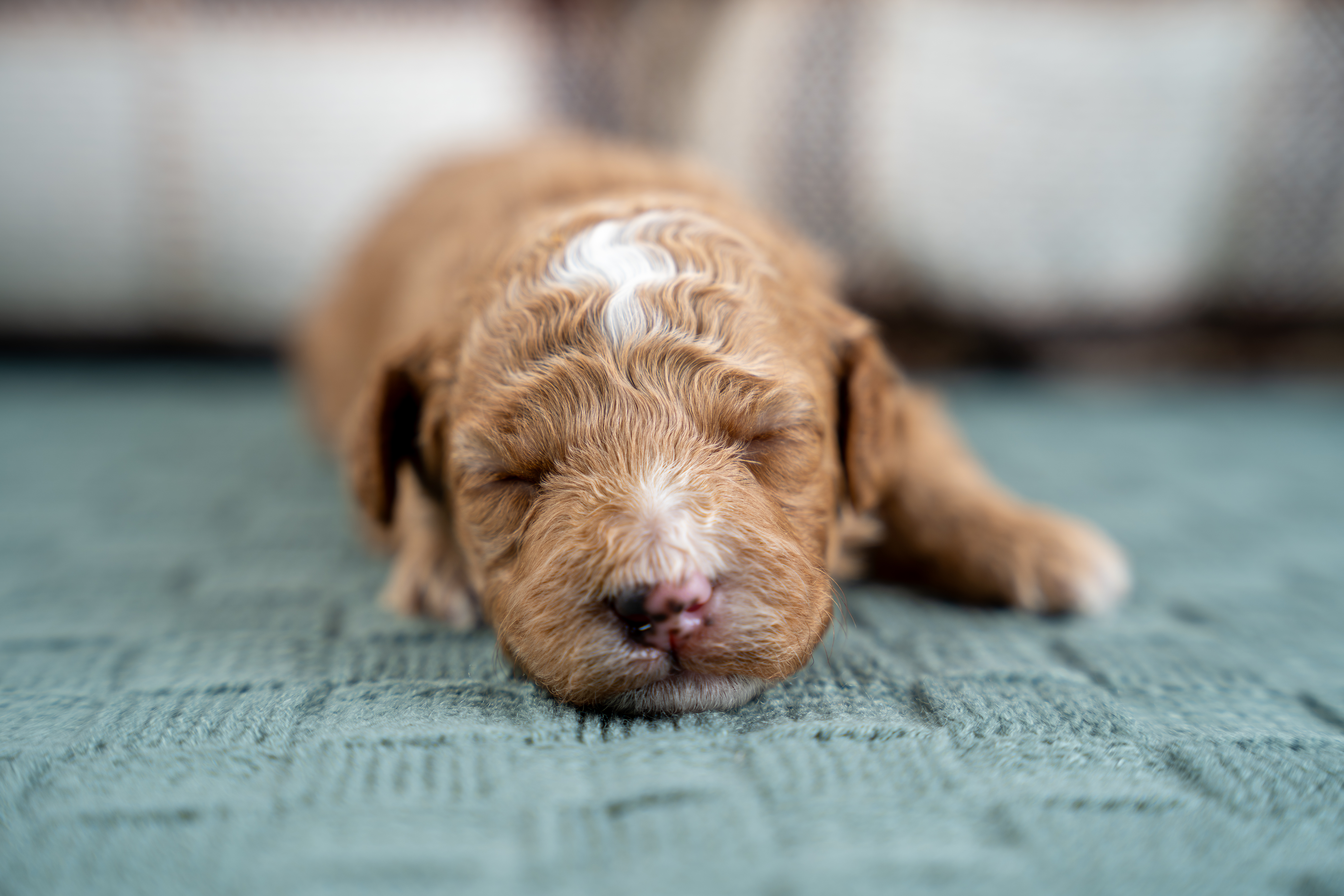
Small Poodles are some of the smartest, longest-lived, most allergy-friendly dogs you can bring home. But "toy" and "miniature" get used loosely, and the difference matters when you're picking a puppy. Here's how the sizes are actually defined, what to expect from a small Poodle, and how to choose a good one.
How the AKC defines Poodle sizes
The American Kennel Club recognizes three Poodle varieties, and it defines them by height at the shoulder, not weight:
- Toy — 10 inches or under
- Miniature — over 10 inches, up to 15 inches
- Standard — over 15 inches
All three are the same breed, held to the same standard. Weight follows height only loosely. As a rough guide, Toys usually weigh under about 10 pounds and Miniatures about 10 to 20.
You'll also see "teacup," "micro," and "moyen" (a medium size between Miniature and Standard). None of those is an official AKC variety. "Teacup" deserves particular caution: breeding for extremely tiny size can bring fragile bones, dental problems, and dangerous drops in blood sugar.
Our Poodles
Our AKC Poodles are on the small side. Our current litter, from Lulu (7 pounds) and Poe (11 pounds), is expected to mature at about 7 to 11 pounds — right around the line between Toy and Miniature. Both parents are genetically health tested, and the puppies are genetically clear on their panels. You can meet Lulu and Poe on our parent dogs page.
As with every litter, adult size is an estimate based on the parents and previous litters, not a promise.
Toy vs. Miniature: how they differ
The two sizes share the Poodle temperament — bright, affectionate, eager to learn, and closely bonded to their people. The practical differences come from size:
Toy Poodles
- Easy to carry, travel with, and fit in-cabin on most airlines
- Well suited to apartments and quieter, adult homes
- More fragile — jumping off furniture or rough handling by young children can cause injuries
- Smaller mouths, so dental care matters even more
Miniature Poodles
- Sturdy enough for active play and gentle kids
- Happy on hikes and longer walks
- Still small enough for most apartments and travel carriers
If you have young children, a sturdier Miniature is often the better fit. If you want a small companion for a calmer home, a Toy can be perfect.
Temperament and training
Poodles consistently rank among the most intelligent breeds. That makes training fast and fun — and it means a bored Poodle will invent their own games. Plan on daily walks, puzzle toys, and short training sessions.
Small Poodles can be sensitive, and they do best with gentle, consistent, reward-based training. They're also people dogs and don't enjoy long stretches alone.
The biggest mistake with small dogs is treating them as accessories. Carrying a puppy everywhere and skipping training is how small dogs end up anxious or snappy. Socialize and train a Toy Poodle as seriously as you would a Labrador.
Coat, grooming, and allergies
Poodles have a single, dense, curly coat that barely sheds. Loose hair gets caught in the curls instead of landing on your floor, which is why Poodles are among the best choices for families with allergies. No dog is fully hypoallergenic, though — our post on allergies and doodles explains why.
The trade-off is grooming. Plan on brushing every day or two and a professional groom every 4 to 6 weeks. Many owners keep a short "puppy" or "teddy bear" clip that's easy to maintain.
Health and lifespan
Small Poodles are one of the longest-lived breeds, often living 14 to 18 years. Responsible breeders screen for:
- Progressive retinal atrophy (PRA) and other inherited eye conditions
- Patellar luxation (slipping kneecaps), common in small breeds
- Von Willebrand's disease, a blood-clotting disorder
- Other breed-specific conditions on a genetic panel
Always ask to see the parents' results. Ours are on our parent dogs page, and our health guarantee covers genetic and congenital conditions for the first year.
What to look for in a Poodle breeder
- Health testing on both parents, shown to you — not just described
- Puppies raised in a home, handled daily, and exposed to normal household life
- A written contract and guarantee you can read before paying
- Honest size estimates, not guarantees
- A breeder who asks you questions too
Is a small Poodle right for you?
A Toy or Miniature Poodle suits families who want a clever, affectionate, low-shedding companion and are happy to keep up with grooming and training. Read more in our Poodle breed guide, or ask Sara which puppy would suit your home.